I Tested the Ath M30X for a Month: Here is My Verdict
The Audio-Technica ATH-M30X sits in a crowded part of the headphone market: the affordable wired over-ear segment, where buyers want dependable sound, decent comfort, and enough durability to survive daily use without paying studio-monitor prices. After a month of regular listening, work sessions, and casual media use, the verdict is clear: this is a practical, no-frills closed-back headphone that gets the fundamentals right for the right listener, but it is not the most spacious, luxurious, or universally comfortable option in its class.
For shoppers comparing budget headphones for home listening, beginner recording, podcast editing, office work, or late-night media sessions, the ATH-M30X makes a strong case with its clear tuning, lightweight folding design, and recognizable studio lineage. At the same time, it shows its limits in clamp force, included accessories, and overall sense of refinement compared with stepping up to a higher tier. The value of this model depends less on hype and more on whether the buyer actually needs a simple, wired, closed-back headphone that prioritizes clarity and isolation over flash.
Introduction
Many buyers considering the ATH-M30X are not necessarily audiophiles. They are students setting up a small desk, creators editing audio at home, commuters wanting a reliable wired pair, or listeners trying to avoid the battery issues that come with wireless models. What they typically care about is straightforward: Does it sound good for the money? Is it comfortable enough for long sessions? Will it hold up over time? And is it better than the many generic closed-back alternatives available at a similar price?
In day-to-day use over a month, the ATH-M30X proved most appealing in situations where focus mattered. Its closed-back design helped reduce household distractions during work, and its tuning leaned toward a clean, controlled presentation that worked especially well for speech, acoustic music, and general monitoring. Rather than trying to impress with oversized bass or exaggerated sparkle, it aims for a more grounded balance. That makes it easy to recommend to buyers who want honesty and usability, but less compelling for those chasing a highly cinematic or bass-heavy experience.
ATH-M30X Review After a Month of Use
Design and Build Quality
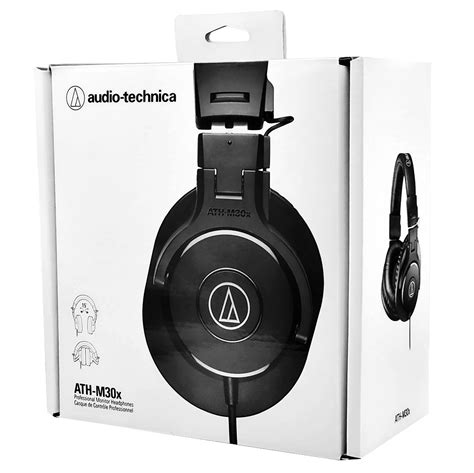
At first glance, the ATH-M30X looks like what it is: a studio-inspired headphone built around function. The styling is understated, mostly matte black, and clearly designed to disappear into a workspace rather than stand out in public. That is not a criticism. In fact, many buyers in this category prefer exactly this kind of practical design because it tends to age better than trend-driven consumer models.
The headphones feel lightweight in hand, which creates mixed expectations at first. Some may equate low weight with cheapness, but in regular use the reduced mass actually helps with fatigue. The headband has enough padding to avoid becoming a hotspot in shorter sessions, and the earcups fold in a way that makes storage easier in a bag or desk drawer. Over a month, the hinges and adjustment points felt stable enough for normal careful use, though this is not the kind of tank-like build that encourages rough treatment.
The attached cable is one of the more divisive design choices. On the positive side, it feels secure and removes one failure point associated with detachable cables. On the negative side, it reduces flexibility. Buyers who plan to use the headphones at a desk may not mind, but those who want easy cable replacement or more portable convenience may see it as a drawback. This is one of the clearest reminders that the ATH-M30X is aimed more at stationary listening and entry-level monitoring than modern all-purpose portability.
Comfort in Real-World Use
Comfort is where budget over-ear headphones often rise or fall, and the ATH-M30X lands somewhere between acceptable and good depending on the user’s head shape and session length. For one- to two-hour sessions, it generally performs well. The ear pads are soft enough initially, and the low overall weight helps keep the headphone from feeling overly burdensome.
Over longer stretches, however, some common pressure points emerge. The clamp is fairly secure, which helps with isolation, but it can feel tight during extended use. Listeners with larger heads or those sensitive to pressure around the jaw and temples may need occasional breaks. The ear cups also do not feel especially roomy compared with more expensive models. For users wearing glasses, comfort may depend heavily on frame thickness, with thinner arms working better.
For work-from-home use, the comfort level was solid enough for editing, focused listening, and video calls, but not so relaxed that it disappeared on the head for an entire afternoon. That distinction matters. Buyers who expect “all-day comfort” in the premium sense may be underwhelmed, while those coming from cheaper on-ear models will likely find the ATH-M30X a clear improvement.
Sound Quality
The sound signature is best described as clean, controlled, and slightly mid-focused, with enough low-end presence to keep music engaging but not enough emphasis to satisfy listeners who want thumping bass. This is a sensible tuning for a headphone marketed within the monitor family. It avoids the bloated, boomy quality that often plagues entry-level closed-back models and instead offers a more even-handed presentation.
Bass is present and reasonably tight, but it does not dominate the mix. Kick drums and bass guitars come through with definition, though there is less physical slam than buyers used to consumer-tuned headphones may expect. For genres like rock, indie, jazz, podcasts, and acoustic recordings, this restraint works in the headphone’s favor. For electronic music fans or anyone seeking powerful sub-bass impact, it may feel conservative.
Discover deals on Audio & Headphones — updated daily.
Shop Amazon →Mids are where the ATH-M30X performs best. Vocals are clear, dialogue is easy to follow, and instruments such as guitars, pianos, and snare drums retain good presence. This is one reason it works well for podcasts, YouTube editing, speech-heavy content, and general home recording tasks. There is a straightforwardness to the midrange that makes the headphone easy to trust for regular listening, even if it does not sound especially lush or expansive.
Treble is moderately detailed without becoming aggressively sharp. That helps reduce fatigue, especially during longer listening sessions or while monitoring spoken audio. It is not the airiest or most resolving top end in the category, but it avoids the brittle harshness that can make budget headphones unpleasant over time. Some listeners may wish for a touch more sparkle and openness, yet the smoother approach makes sense for a closed-back all-rounder.
Soundstage and imaging are adequate rather than impressive. Like many closed-back headphones at this level, the ATH-M30X presents music in a relatively intimate way. It does not create a wide, speaker-like sense of space. Instrument placement is still competent enough for casual mixing decisions, gaming in a non-competitive setting, and movie watching, but buyers should not expect a huge three-dimensional presentation. This is a headphone that keeps the sound close and focused.
Isolation and Everyday Practicality
One of the more useful strengths of the ATH-M30X is passive isolation. In a home office, it does a respectable job of reducing computer fan noise, distant conversation, and everyday ambient distractions. In shared spaces, that makes a real difference. It also leaks less sound than open-back headphones, which helps when listening around other people.
That said, isolation is not in the same league as active noise-cancelling headphones, and buyers should not confuse the two. The ATH-M30X is best thought of as a headphone that helps create focus, not one that erases the outside world. For office work, studying, editing, and commuting on less noisy routes, it is effective enough. For air travel or very loud environments, it is not the ideal tool.
Its wired nature also changes its practicality depending on the buyer. For desktop setups, audio interfaces, mixers, keyboards, and headphone jacks on dedicated devices, the cable is a benefit. There is no battery to charge, no pairing issue, and no latency problem. For phone-first listeners living in a wireless world, it can feel dated and inconvenient unless they already use a dongle or adapter.
How It Performs for Different Use Cases
For music listening: The ATH-M30X works best for listeners who value balance over excitement. Singer-songwriter tracks, rock, folk, podcasts, classical, and lighter electronic music all come through with clarity. It is less ideal for those who want elevated bass or a particularly immersive soundstage.
For podcast and video editing: This is one of the more convincing use cases. Speech is clear, background issues are easier to spot than on heavily bass-boosted headphones, and the closed-back design helps maintain concentration.
For beginner music production: It is usable for monitoring and arrangement work, especially for those starting out with limited budgets. However, serious mixing still benefits from cross-checking on speakers or more resolving headphones. The ATH-M30X is competent, not magical.
For gaming and movies: It delivers clear dialogue and solid positional cues for casual play, but it does not create the cinematic scale or explosive low-end some gamers and movie fans may want.
For commuting or travel: It is portable enough in a bag, but the non-removable cable and lack of active noise cancellation limit its convenience compared with modern wireless alternatives.
Discover deals on Audio & Headphones — updated daily.
See Deals →Pros and Cons
Pros
- Balanced, clear sound that avoids excessive bass bloat and works well for speech, vocals, and general monitoring
- Good passive isolation for home offices, study sessions, and shared environments
- Lightweight design that helps reduce fatigue compared with heavier over-ear headphones
- Practical folding construction for easier storage and transport
- Reliable wired performance with no battery concerns, charging downtime, or wireless latency
- Strong value for entry-level creators who want a recognizable monitor-style headphone without overspending
Cons
- Attached cable limits flexibility and is less convenient than detachable designs
- Clamp force may feel tight during long listening sessions, especially for some head shapes
- Soundstage is fairly narrow, making it less immersive for movies and spacious recordings
- Bass is controlled rather than powerful, which may disappoint listeners who prefer a more energetic low end
- Ear pads and overall comfort are good but not luxurious by enthusiast standards
- Feature set is basic, with no microphone, no wireless mode, and no modern convenience extras
Comparison Table
For many buyers, the right question is not whether the ATH-M30X is good in isolation, but whether it fits their needs better than what they expect from similarly priced headphones. The table below summarizes where it stands.
| Category | ATH-M30X Performance | Best For | Potential Limitation |
|---|---|---|---|
| Sound Signature | Balanced, clear, mildly monitor-leaning | Listeners who want detail and vocal clarity | May feel too restrained for bass lovers |
| Comfort | Lightweight with moderate padding | Short to medium listening sessions | Clamp can become noticeable over time |
| Isolation | Good passive noise reduction | Home office, study, editing, shared spaces | Not a replacement for ANC in loud travel settings |
| Build | Functional, foldable, reasonably sturdy | Desk use and careful portable use | Does not feel premium or especially rugged |
| Portability | Foldable and easy to pack | Users who carry wired gear in a bag | Attached cable is less travel-friendly |
| Content Creation | Solid entry-level monitoring | Podcasting, editing, beginner recording | Serious mixing still needs additional reference points |
| Entertainment | Clear and competent | Casual music, videos, everyday listening | Lacks the spaciousness and impact some users want |
Buying Guide: Who Should Buy the ATH-M30X?
The ATH-M30X is not a universal recommendation, but it is easy to place once the buyer understands what it is designed to do. It makes the most sense for someone seeking a wired closed-back headphone with honest tuning, useful isolation, and dependable everyday performance. That includes students, beginner creators, office workers, and listeners who simply want a break from wireless headphones and constant charging.
Buy It If Clear Sound Matters More Than Heavy Bass
Many budget buyers initially focus on bass, but over time they often discover that clarity is what makes a headphone easier to live with. The ATH-M30X favors definition in vocals, dialogue, and instruments over exaggerated low-end punch. For podcasts, video essays, acoustic music, and work-focused listening, that tuning choice pays off.
Buy It If It Will Mostly Be Used at a Desk
This headphone feels most at home in stationary setups. It works well with laptops, desktops, audio interfaces, mixers, keyboards, and recorders. Buyers who mainly listen at a desk or in a bedroom studio will likely appreciate the simplicity of plugging in and getting consistent performance. Those who move around constantly or depend on phone listening may find the fixed cable less appealing.
Buy It If Isolation Is Helpful but ANC Is Not Required
For students in shared housing, remote workers, and anyone trying to stay focused, passive isolation can be enough. The ATH-M30X creates a useful personal listening bubble without relying on batteries or noise-cancelling circuitry. If the goal is reducing distraction rather than blocking airplanes or trains, it fits well.
Skip It If Comfort Is the Top Priority
Comfort is acceptable, but not class-leading. Buyers who wear headphones for six to eight hours without breaks, have larger heads, or are especially sensitive to clamp pressure may want to look for something with roomier ear cups and softer long-session ergonomics.
Skip It If Modern Features Matter
There is no microphone, no Bluetooth, no app, and no detachable cable. For some buyers, that simplicity is a strength. For others, it makes the ATH-M30X feel dated. Anyone wanting a do-it-all lifestyle headphone may be better served elsewhere.
Questions Buyers Should Ask Before Choosing It
- Will the headphones be used mostly for work, editing, and focused listening? If yes, the tuning and isolation make sense.
- Is a wired connection acceptable every day? If not, this is the wrong style of product.
- Is booming bass a priority? If yes, the ATH-M30X may sound too polite.
- Will they be worn for very long sessions? If yes, comfort should be weighed carefully.
- Is the goal a dependable, affordable closed-back headphone rather than a feature-packed gadget? If yes, this model remains relevant.
Final Verdict
After a month of use, the ATH-M30X comes across as a sensible, well-targeted headphone that succeeds by staying focused. It does not chase trends, overstate its bass, or disguise itself as something premium. Instead, it offers clear sound, respectable isolation, and practical everyday usability for buyers who want an affordable wired closed-back option with a monitor-style character.
Its weaknesses are real. The attached cable limits flexibility, the comfort is not universally ideal for long sessions, and the soundstage is modest. But for home listeners, students, podcasters, video editors, and budget-conscious creators, those trade-offs may be entirely reasonable. In the end, the ATH-M30X is best seen not as a flashy bargain, but as a reliable tool: one that serves the right user well and earns its place through consistency rather than spectacle.
That makes the final verdict straightforward: the ATH-M30X is a worthwhile buy for people who prioritize balanced sound, isolation, and straightforward wired reliability, but it is less compelling for those seeking plush comfort, big bass, or modern convenience features.